Chakras are energy centers within the body that align along the spine, each influencing physical, emotional, and spiritual well-being. Balancing them promotes harmony and enhances life energy flow.
The Root Chakra, or Muladhara, is the first chakra located at the base of the spine. It represents stability, security, and our basic survival instincts, grounding us to the Earth. When balanced, it fosters a sense of safety, belonging, and physical vitality. A healthy Root Chakra supports confidence and resilience, while an imbalanced one may lead to fear, insecurity, or physical issues like fatigue. The element associated with the Root Chakra is earth, symbolizing strength and endurance. Red is its color, radiating warmth and grounding energy. Practices like meditation, grounding exercises, and connecting with nature help keep this chakra in harmony.
The Sacral Chakra, or Svadhisthana, is the second chakra located just below the navel. It governs emotions, creativity, pleasure, and sensuality, shaping how we connect with others and experience joy. A balanced Sacral Chakra supports healthy relationships, emotional flexibility, and a zest for life. When imbalanced, it can lead to emotional instability, creative blocks, or issues with intimacy. The element of water is associated with this chakra, symbolizing flow, adaptability, and depth. Its color is orange, radiating warmth and enthusiasm. Balancing the Sacral Chakra can involve creative expression, mindful movement, and exploring joyful, fulfilling activities.
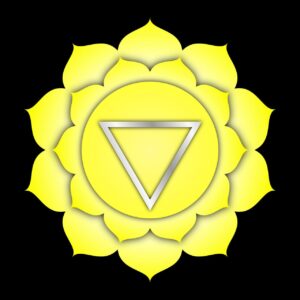
The Manipura Chakra, or Solar Plexus Chakra, is the third chakra located around the stomach area. It governs personal power, confidence, and self-discipline, acting as the center of will and transformation. When balanced, it enhances self-esteem, motivation, and a strong sense of purpose, empowering us to pursue our goals. An imbalanced Manipura Chakra can lead to feelings of doubt, anger, or digestive issues. Associated with the element of fire, it represents energy, strength, and transformation. Its color is yellow, symbolizing vitality and clarity. Practices like core-strengthening exercises, mindful breathing, and meditation can help balance this chakra.

The fourth chakra, known as the Heart Chakra or Anahata, is located at the center of the chest. It is the bridge between the physical and spiritual realms, governing love, compassion, and emotional balance. A balanced Heart Chakra fosters healthy relationships, empathy, self-acceptance, and inner peace. When out of balance, it may lead to feelings of loneliness, resentment, or difficulty trusting others. The Heart Chakra is associated with the element of air, representing openness and freedom. Its color is green, symbolizing growth, healing, and harmony. Practices like loving-kindness meditation, gratitude, and spending time in nature can help open and balance this chakra.
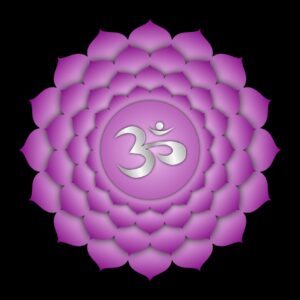
The Crown Chakra, or Sahasrara, is the seventh and highest chakra, located at the top of the head. It represents spiritual connection, enlightenment, and our sense of unity with the universe, linking us to higher consciousness and divine wisdom. When balanced, the Crown Chakra fosters a profound sense of peace, spiritual awareness, and purpose in life, helping us transcend personal limitations. An imbalanced Crown Chakra can lead to feelings of disconnection, confusion, or a lack of purpose. Its color is violet or white, symbolizing purity, light, and connection to the divine. Practices like meditation, mindfulness, and contemplation support balancing and opening the Crown Chakra for greater spiritual insight.
The Third Eye Chakra, or Ajna, is the sixth chakra, located between the eyebrows in the forehead. It is the center of intuition, insight, and higher perception, helping us tap into inner wisdom, imagination, and spiritual awareness. When balanced, the Third Eye Chakra fosters clear thought, foresight, and a strong sense of intuition, allowing us to perceive deeper truths and trust our inner guidance. An imbalance can cause confusion, lack of clarity, or difficulty making decisions. The Third Eye Chakra’s color is indigo, symbolizing wisdom and inner vision, and it is associated with the mind and light. Practices like meditation, visualization, and mindfulness help strengthen and open this chakra for enhanced intuition and clarity.
The throat chakra, or Vishuddha, is the fifth chakra located at the center of the throat. It is associated with communication, self-expression, and authenticity. When balanced, it empowers us to speak our truth, express thoughts clearly, and connect with others meaningfully. A balanced throat chakra promotes honesty, active listening, and confidence in expressing feelings. However, an imbalance may lead to difficulty in speaking up, social anxiety, or even physical throat issues. Engaging in practices like singing, journaling, and mindful speaking can help harmonize this chakra.
Visit our main website for expert heart healing guidance and resources to support your journey to inner peace. Discover practices, tools, and insights crafted to nurture emotional wellness and restore balance. Begin healing and find clarity with our compassionate guidance.
All Right Reserved │ Powered By Basit WP